
Our Approach
A Next-Generation PDE4 Prodrug
Rationally designed to improve the therapeutic profile of a validated target in immune-mediated and fibrotic diseases.
Why Our Approach Is Different
HISTORICAL ORAL PDE4 INHIBITORS
Validated biology with important limitations

VALIDATED TARGET
PDE4 is a clinically validated target that regulates cAMP and plays a central role in immune response, inflammation and fibrosis.

HISTORICAL LIMITATIONS
-
GI / CNS side effects
-
Short half-life
-
Twice-daily dosing
-
Systemic exposure limitations
PALI-2108

PALI-2108 SOLUTION
-
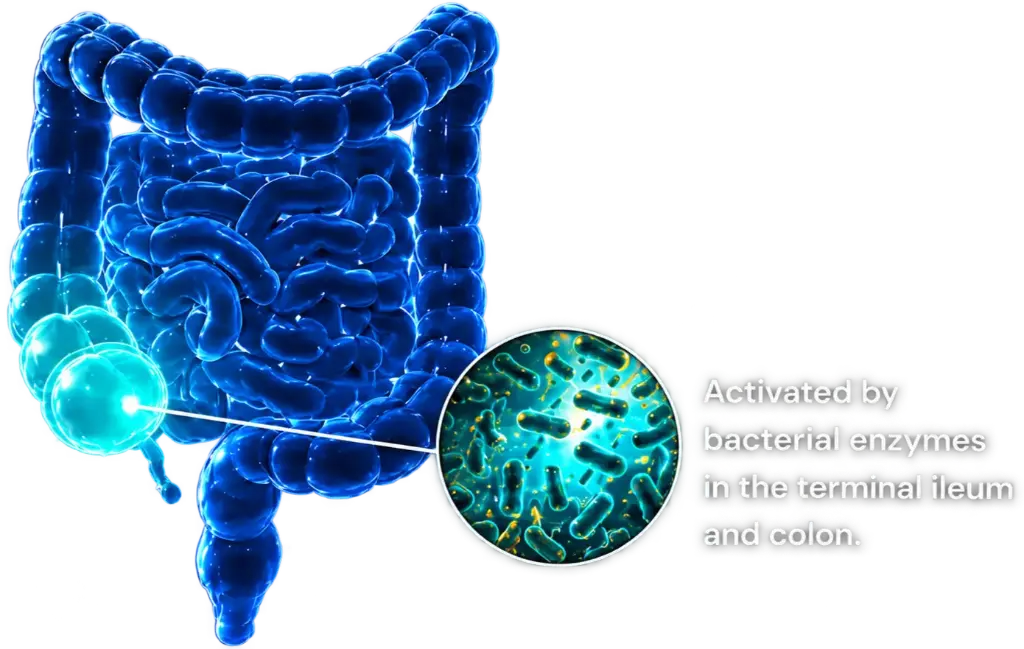
Targeted bioactivation in the terminal ileum and colon
-
High intestinal tissue exposure
-
Sustained PDE4 inhibition above IC90 with once-daily dosing
-
Once-daily oral dosing

POTENTIAL BENEFITS
-
Improved tolerability potential
-
Once-daily convenience
-
Combination potential
-
Broad applicability across inflammatory and fibrotic diseases
PDE4 in Immune Regulation, Inflammation and Fibrosis
PALI-2108 Differentiated Prodrug Design

Targeted
Bioactivation
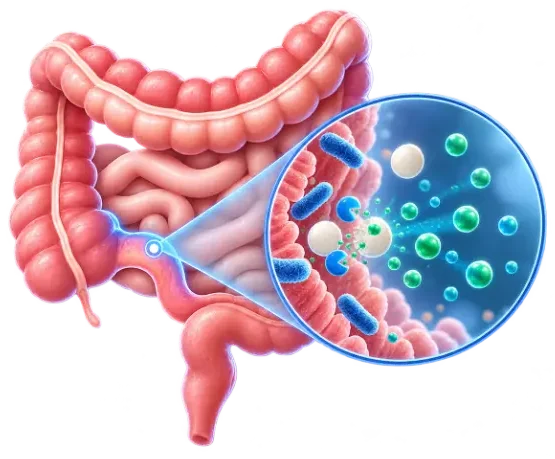
The prodrug is activated by bacterial enzymes in the terminal ileum and colon.
High Intestinal
Tissue Exposure
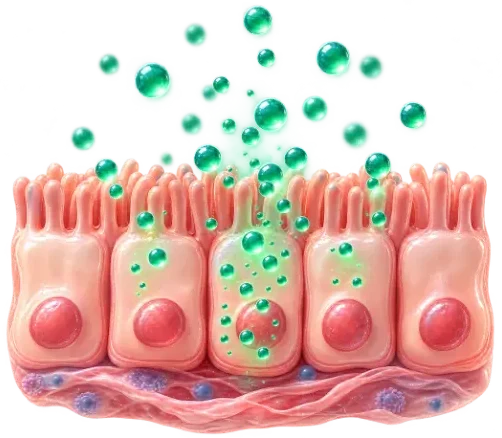
The active PDE4 inhibitor achieves high concentrations at sites of disease.
Sustained Systemic
PDE4 Inhibition
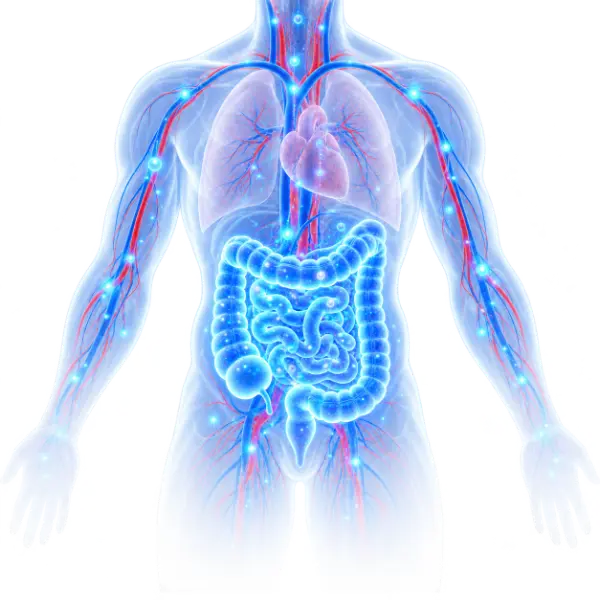
Sustained plasma exposure supports continuous PDE4 inhibition and once-daily dosing.
Phase 1 Human Pharmacology
High Intestinal Tissue Exposure with Sustained Systemic PDE4 Inhibition Above IC90
Key takeaways from Phase 1 human pharmacology
High Intestinal Exposure
Achieved high intestinal concentrations with once-daily dosing.
Sustained PDE4 Inhibition
Plasma concentrations maintained above IC90 through 24 hours.
Well Tolerated
No serious adverse events reported.
PHASE 1 DATA IN HEALTHY VOLUNTEERS (n=12) (15, 30 AND 45 MG ONCE-DAILY DOSING)
Day 1 versus Day 9 plasma pharmacokinetics
Concentration axis is logarithmic. Data shown are mean values from the Phase 1 healthy volunteer study.
PHASE 1b DATA IN FIBROSTENOTIC CROHN’S DISEASE (n=5)
(POOLED ACROSS 20, 25, AND 30 MG ONCE-DAILY DOSE COHORTS)
High Intestinal Tissue Exposure Across the Ileum and Colon
Tissue pharmacokinetic profile by GI segment (pooled across dose cohorts)
Mean with standard deviation shown as error bars.
Tissue samples collected at steady state approximately 4–8 hours post-dose prior to ileocolonoscopy.
Linear scale.
ILEUM
107.6
ng/mL
ASCENDING COLON
185.4
ng/mL
DESCENDING COLON
114.4
ng/mL
MEAN ACROSS GI SEGMENTS
149.0
ng/mL
19.4
ng/mL
MEAN TISSUE / PLASMA RATIO
~7.3×
Higher mean intestinal tissue concentrations relative to peak plasma concentration